Individual Angel Investors in AI
Angel investors use personal capital to back young companies, often before a product or established revenue. AI angels can also bring research, technical or operating experience to early assessments of teams and technology.
- Typical stage
- Pre-seed to Seed
- Typical check
- $25K — $2M
- Investors in atlas
- 4
Individual Angel Investors: Role in AI
Critical for pre-product AI labs where technical due diligence matters more than financial metrics.
Reference examples
Elad Gil · Daniel Gross · Nat Friedman · Research-lab professors
Selected Individual Angel Investors
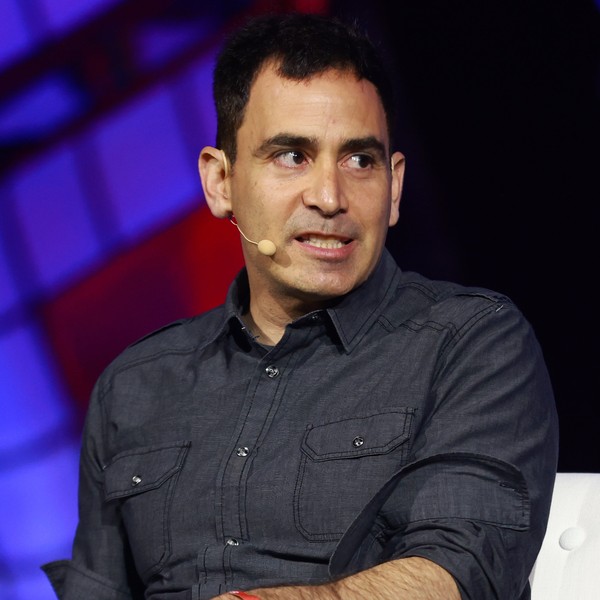
Elad Gil
AngelSolo angel writing early checks into the AI stack without a committee
Naval Ravikant
AngelAngelList founder who turned angel investing itself into a platform
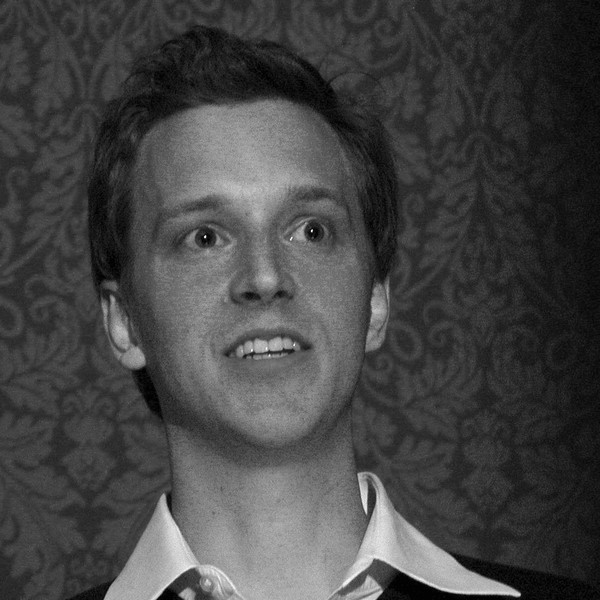
Nat Friedman
AngelFormer GitHub CEO backing AI-native products with Daniel Gross
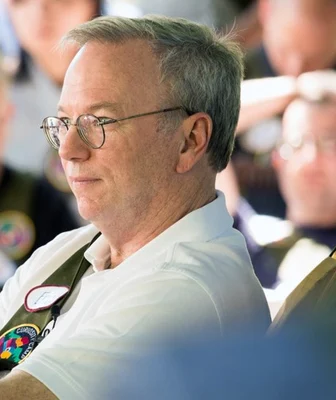
Eric Schmidt
AngelThe former Google CEO who turned his family office into a frontier-AI and defense-tech vehicle
FAQ
Why do AI founders take angel money when they could wait for a VC seed?
Speed and technical signal. Elad Gil — with 250-plus disclosed investments — can decide in one meeting with no partnership vote, which buys allocation in rounds that close inside days. For a pre-product lab, an experienced operator's personal cheque is also diligence by credibility: writing it signals the technology clears an expert bar.
How does an angel's cheque differ from a family office's?
Size and staying power. Angels write US$25K–US$2M of personal capital, often alongside peers on a SAFE; family offices deploy US$1M–US$50M with more formal terms and can follow on for years. The angel's scarce resources are access and judgment; the office's is balance-sheet depth. Founders typically need both at different points.
What makes technical angels different from other high-profile individual investors?
Many AI angels are former founders, researchers or operators, so their diligence is hands-on. Nat Friedman, GitHub's former CEO, evaluates model-native products like Cursor and Suno as a builder would — which matters most pre-revenue, when there are no metrics to underwrite, only whether the research direction and team clear an expert's bar.
Which angels are most active in the current AI cycle?
Elad Gil holds personal positions in Anthropic, OpenAI and Perplexity; Nat Friedman, frequently alongside Daniel Gross, backed Safe Superintelligence and Perplexity; Naval Ravikant — who founded AngelList — holds OpenAI among earlier hits like Uber and Twitter. The shared pattern is personal capital at the earliest credible technical milestones.
Why do angels matter most before institutions arrive?
Pre-seed AI companies have no revenue and often no product — only a research bet. Angels are the capital that bridges the gap between a founder leaving a lab or a university and the first institutional round, accepting maximum uncertainty in exchange for the lowest entry price the company will ever offer.
Can an angel's reputation replace evidence of participation in a round?
No. A founder endorsement, advisory title or event appearance does not prove an investment. Personal angel positions can also differ from positions held by a fund the same person helps manage; preserve that distinction.